
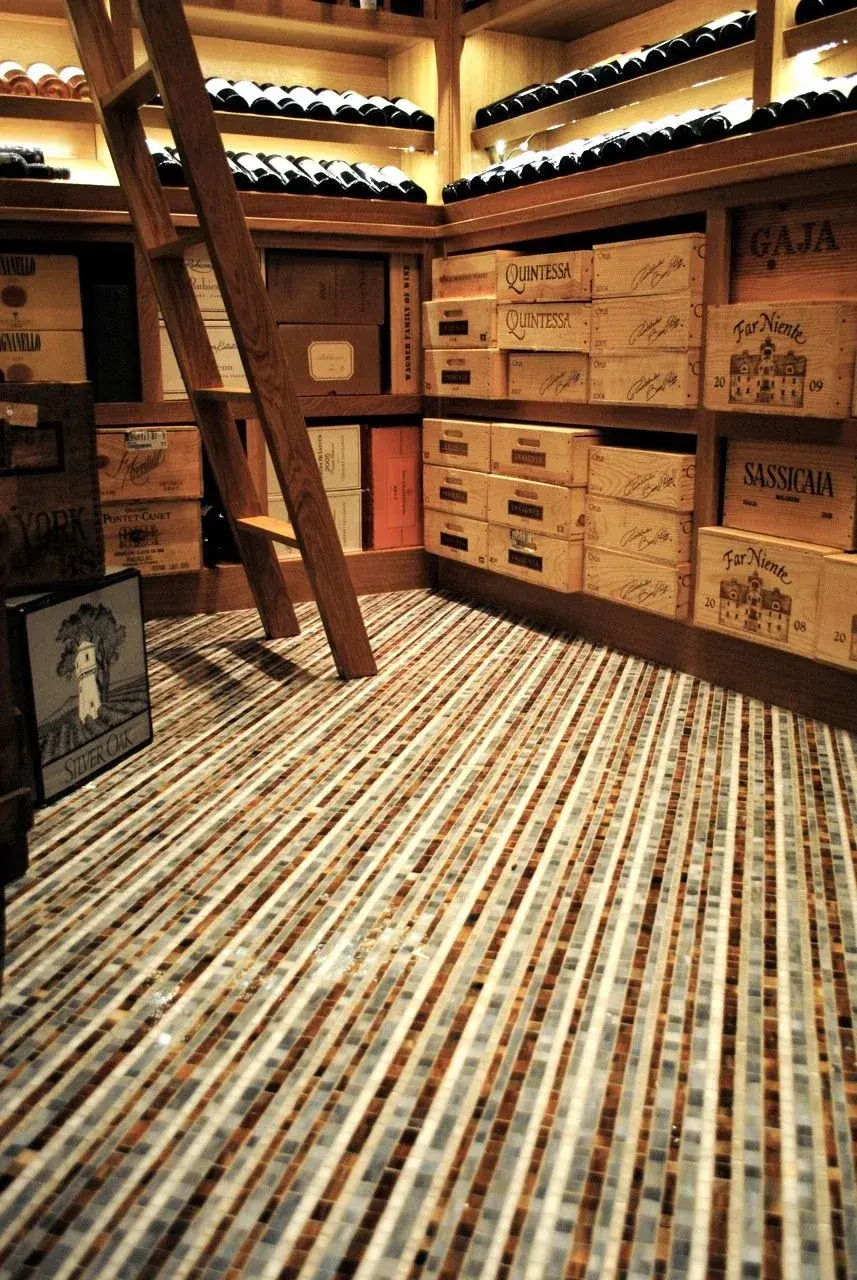
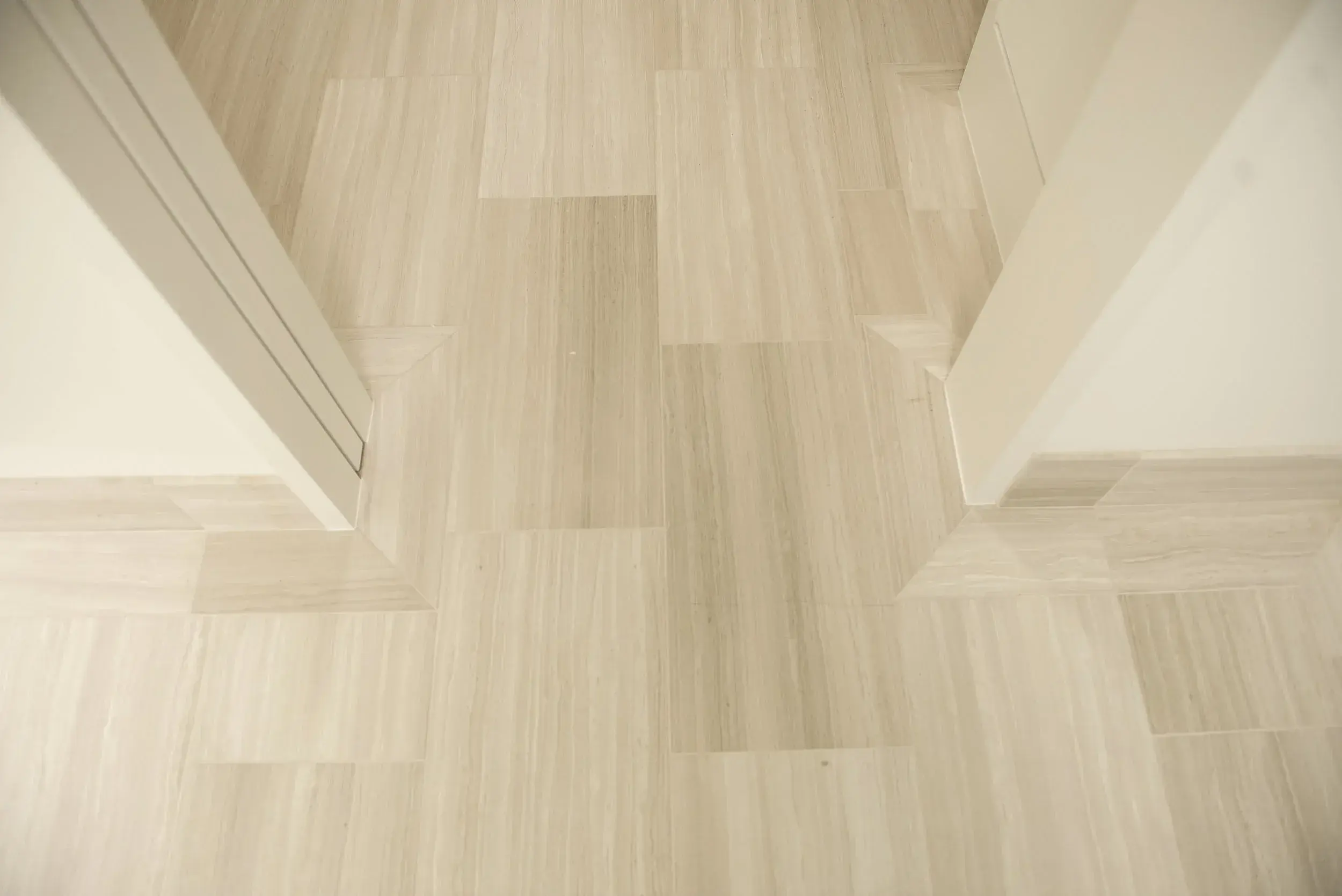
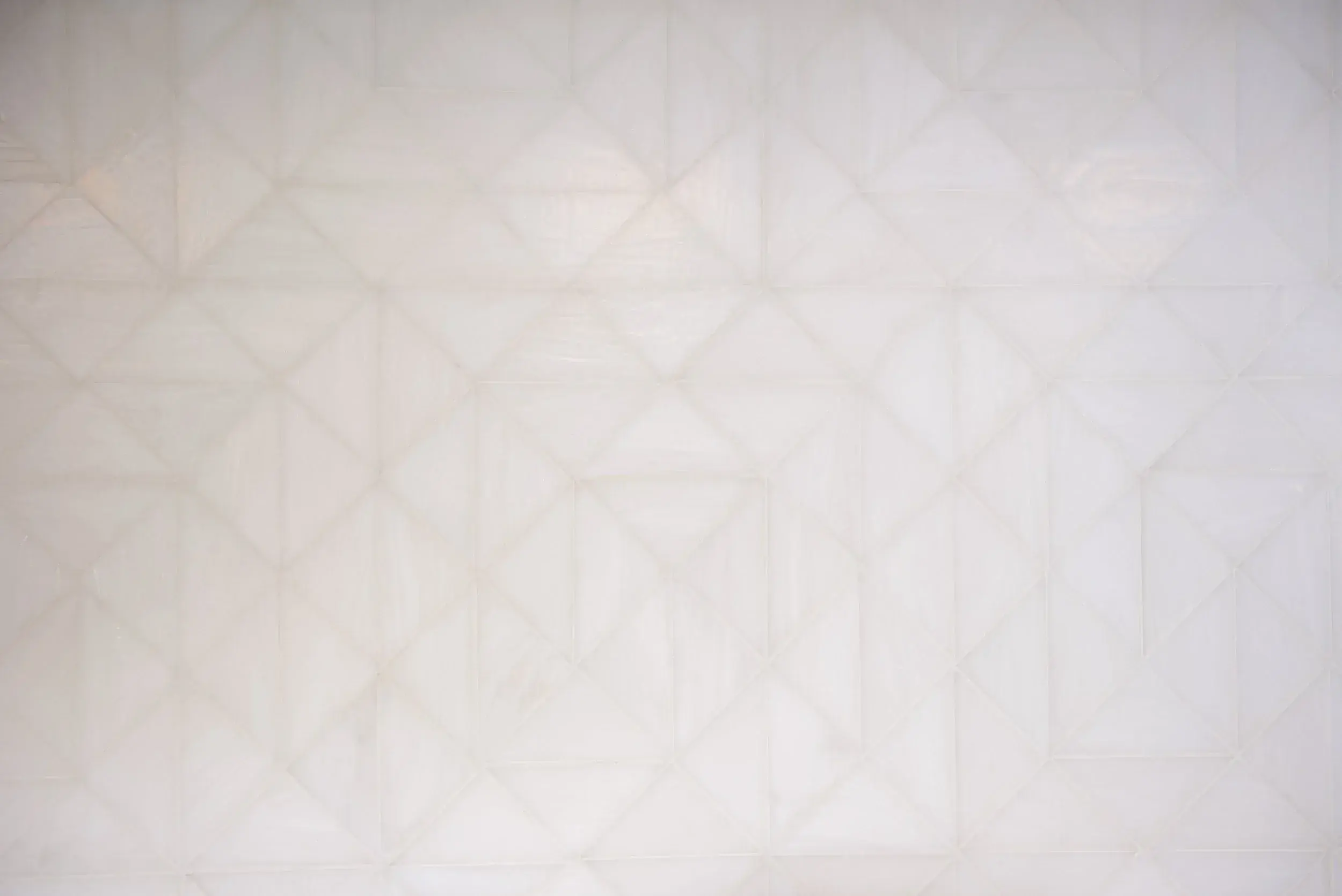
We excel at everything from large-format porcelain in a kitchen, to natural stone bathroom floors, design-heavy entryways, patterned center pieces, bordered living rooms, heated floors under tile, mosaic bands at thresholds, fitting transitions and more. Custom Tile of Austin has been leading the craft of tile installation since 1983 - expertly installing tile floors in homes for homeowners, interior designers, general contractors and architects across Austin.
The kinds of Tile floors we install
A tile floor is the most worked-over surface in a room, and the material and format set the tone for everything else in it. Most of the projects we run land in one of these categories:
- Kitchen floors. Large-format porcelain (12x24 and up), natural stone, and time-tested classic tile designs in primary kitchens. Often coordinated with the backsplash material and the cabinet finish so the floor doesn’t fight the rest of the room. Sealed and grouted to handle the spills and traffic of a working kitchen.
- Bathroom floors. Smaller-format porcelain or stone on the floor, often coordinated with the shower and tub surround tile. Slip-resistant finishes get specified on wet zones. Floor-to-wall transitions get planned so the room reads as one continuous design.
- Primary suite and bedroom floors. Natural stone or high end wood-look porcelain in widths and lengths that mimic plank flooring, installed in a planned offset rather than a center-stack so the seams don’t telegraph. Quieter underfoot than ceramic and easier to maintain than real wood in a humidity-cycling Texas home.
- Entryways and mudrooms. The hardest-working tile floor in the house. Porcelain or stone selected for slip resistance and for handling water and grit tracked in from outside. Often where a homeowner specifies a contrasting pattern as a transition between exterior and the rest of the house.
- Whole-house tile floors. Continuous tile across kitchen, dining, living, and entry, typically large-format porcelain or natural stone with carefully planned movement joints. For natural stone we dry lay the pieces to make sure the best, most vivid markings that you love the most get the center of attention. The floor that makes the rest of the house feel of-a-piece. Or, based on client preference, a coordinated transition to wood in the bedrooms and back to tile in the wet areas.
- Large-format floors. 24x48 porcelain, larger installations, and seamless floors where the joint count is intentionally minimized. The format that demands the most substrate prep: the bigger the tile, the less forgiving the floor it’s set on.
Heated floors, mosaic threshold bands, custom bullnose at floor-to-stair transitions, and slab-stone insets all show up across these formats. Most are decisions that get made in the first design conversation.
How we install a Tile floor that lasts
A tile floor fails in three ways: cracks (usually traced to substrate movement or a poor underlayment), lippage (where adjacent tiles sit at different heights, and the bigger the tile, the bigger the problem), and grout failure (most often the result of skipping movement joints or using the wrong product). A floor that has been installed correctly doesn’t show any of those failure modes decades in.
Every floor we install starts with the substrate. The slab or subfloor gets checked for flatness, roughly 1/8" over 10 feet for standard tile and 1/8" over 8 feet or tighter for large-format and natural stone. Slabs that aren’t flat enough get self-leveled before any tile is set. Subfloors that aren’t stiff enough get reinforced. Skipping this step is the single biggest reason tile floors fail in this market.
An uncoupling membrane gets specified on most floors. Schluter Ditra is what we use most often. Central Texas sits on expansive clay soils that swell and shrink with moisture, and slab movement is a real consideration on any tile floor here. Ditra (and similar systems) absorbs that movement so the substrate can shift without cracking the tile above it. Or, based on client preference, a different membrane like a liquid crack isolation membrane or a direct-set installation can be specified where height limitations exist to ensure a seamless flow from room to room. We walk through the trade-offs before any thinset goes down.
Tile is set to TCNA standards with the right thinset for the format. Large-format and slab tile gets back-buttered and set with a leveling system to keep lippage in spec. Movement joints get planned at every slab joint and at intervals across the field, again at the perimeters, then filled with a flexible color-matched sealant rather than rigid grout. Grout joints are sized to the format and the manufacturer’s spec: narrow rectified joints on porcelain, slightly wider joints on handmade ceramic and natural stone where the tile itself varies dimensionally. Natural stone floors are sealed before grout, then again after.
Heated floors get installed under the tile as part of the substrate sequence when they are part of the design. The mat goes down on the membrane, the thermostat gets wired, and the system is ready to use the day the floor closes out. Heated tile floors are one of the highest-value upgrades you can make in a Central Texas bathroom or kitchen. The cooler months are mild but long, and a warm tile floor changes how the room feels in the morning.
Transitions to wood, carpet, and stone get worked out in the layout phase. Schluter and matching metal profiles, custom bullnose at floor-to-stair edges, or flush slab transitions are all options depending on the design.
The owner, Paul, is on every job site. He is there in the morning when the crew arrives and at the end of the day when they wrap up. The job site is cleaned daily and communication with the client is consistent. There is no project manager between you and the person actually responsible for the work.
“Prepping a substrate for flooring, especially tile, varies based on several factors. We take the time to study your environment and nail the process before a single tile is laid. Our aim is to install a lasting floor that makes us the last installer you ever need.”
Who we work with
We work best with homeowners, designers, and builders who want a tile floor that performs and looks the way it should for the life of the home. Our typical project is a kitchen, bathroom, or whole-house floor inside a larger renovation or new build in the West Austin corridor where the design supports natural stone, large-format porcelain, heated radiant systems, and the substrate prep that makes them last. We coordinate directly with general contractors, cabinet makers, and floor-finishing trades so the tile sequences in cleanly with everything else.
If the goal is the lowest bid, we are not the right fit. If the goal is a floor that looks the way you or your designer dreamed and still looks that way decades from now, we are.
Materials and trade partners
We install ceramic, porcelain, natural stone, glass mosaic, large-format tile and slab in floor applications. The materials we work with most often come through long-standing relationships with Ann Sacks, Materials Marketing, Architerra, Stone Solutions, Travis Tile, Daltile, and Emser. Each of those shops has in-house designers who can walk you through specification before tile reaches the site, and if you are already working with your own designer or a general contractor who has a preferred tile partner, we coordinate with them directly.
Frequently asked
How long does a tile floor take to install?
A typical kitchen floor runs four to seven days from demo to final grout, depending on the size of the room, the format of the tile, and whether the slab needs leveling. Larger or whole-house installs scale up from there. Natural stone and large-format installs take longer than standard porcelain because the substrate prep and the leveling-system work are more involved.
Do you install large-format tile (24x24, 24x48, etc.)?
Yes, regularly. Large-format and slab floors are some of our most-requested work. The substrate prep is the part that separates a clean large-format install from a problem one. Flatness has to be tighter than for standard tile, and we level floors before setting any large-format material. We also use a leveling system during set so adjacent tiles sit flush.
Do you do wood-look porcelain?
Yes. Wood-look porcelain has come a long way and now reads convincingly as wood while holding up to water, humidity, and traffic the way real wood doesn't in a Texas home. We install it in a planned offset (typically a one-third stagger rather than a 50/50 brick pattern) so the seams don't telegraph as repeating lines.
Do you do heated floors?
Yes. Heated tile floors and heated bathroom floors get installed as part of the substrate sequence. Low-profile electric radiant mats are what we use most often, wired to a thermostat. The system is ready to use the day the floor closes out.
Do you handle Austin's foundation movement?
Yes. Central Texas slab movement, the result of expansive clay soils that swell and shrink with moisture, is a real consideration on tile floors, and it's the reason we use an uncoupling membrane on many installs. The membrane absorbs the movement so the slab can shift without cracking the tile above it. We also plan movement joints across the field according to standards.
Can you set tile over my existing floor?
In some cases yes, but the better answer is usually to demo the existing floor and start from a clean substrate. Setting tile over old tile can work if the existing floor is sound, level, and bonded, but it raises the floor height (a problem at doorways and appliances) and inherits whatever issues the original install had. We will give you the honest read after seeing the floor.
Is the demolition of the old floor dusty and do we need to be out of the house?
We use a 99+% dust-free demolition crew so your house stays as clean and sanitary as possible during the work. You won't need to move out for a floor project, though the room being worked on will be off-limits during set and cure.
Can you do transitions to wood floors or carpet cleanly?
Yes. We always aim for as slim and seamless of a transition as possible. Schluter and matching metal profiles, custom bullnose, wood or stone T-molds or a flush stone transition are all options. We work out the transition detail in the layout phase so the finished floor reads as a deliberate design decision rather than an afterthought.
How do I get an accurate estimate?
We need to see the space, take measurements, check the slab or subfloor for flatness and level, and talk through the design with you on site. A rough ballpark is possible over the phone with a few details, but the firm number comes after the site visit where options are discussed and exact measurements taken.